



Uganda has received 100 additional m-PIMA point-of-care (POC) machines from Abbott to strengthen HIV Early Infant Diagnosis (EID) and viral load monitoring across the country.
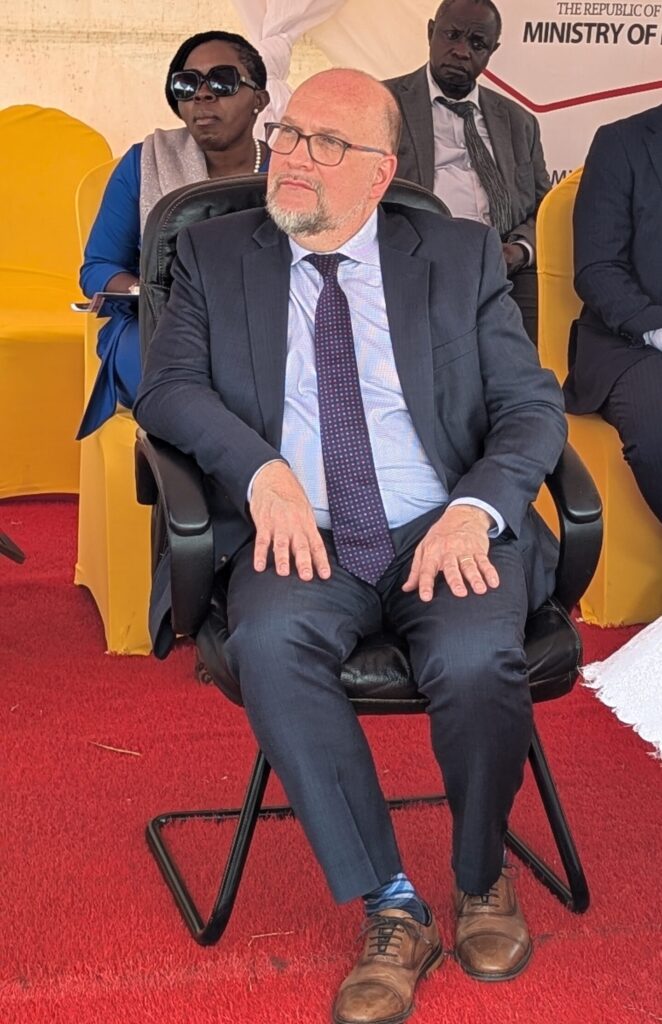
The equipment was handed over on September 9, 2026, in a ceremony involving the Ministry of Health, Abbott, Lifecare Diagnostics Uganda, the United States Government and other development partners. The machines are expected to expand access to advanced diagnostic services, particularly in lower-level and hard-to-reach health facilities.
According to the Ministry of Health talking points, the new machines will support faster testing and improve access to HIV diagnostic services for vulnerable communities. The Ministry also plans to strengthen training, equipment maintenance, technical support and quality assurance at POC testing sites.
Uganda has significantly expanded its use of m-PIMA technology. Between 2019 and 2026, deployment grew to 226 POC sites using 328 m-PIMA machines. Early infant HIV testing at two months increased from 79% in 2022 to 87% by the end of 2025, while viral-load coverage among mothers rose from 64% to 91% over the same period.
The Ministry says the latest handover is part of broader efforts to strengthen Uganda’s diagnostic capacity, health security and equitable access to healthcare. The machines will also contribute to testing programmes covering HIV, TB, malaria and other public-health priorities.
The expansion builds on Uganda’s existing point-of-care viral-load programme, which has been used to bring testing closer to patients and reduce delays in accessing results.
HIGHLIGHTS
- 100 additional m-PIMA machines received from Abbott.
- Machines will support HIV Early Infant Diagnosis and viral-load monitoring.
- Focus will include lower-level and hard-to-reach health facilities.
- Uganda now has 328 m-PIMA machines across 226 POC sites, according to the Ministry document.
- The initiative is supported through cooperation involving Uganda, the United States, Abbott and other development partners.
KEY TAKEAWAY
The new equipment is expected to bring advanced HIV testing closer to communities, particularly in underserved areas, while helping Uganda improve early diagnosis, treatment monitoring and the overall quality of diagnostic services.