


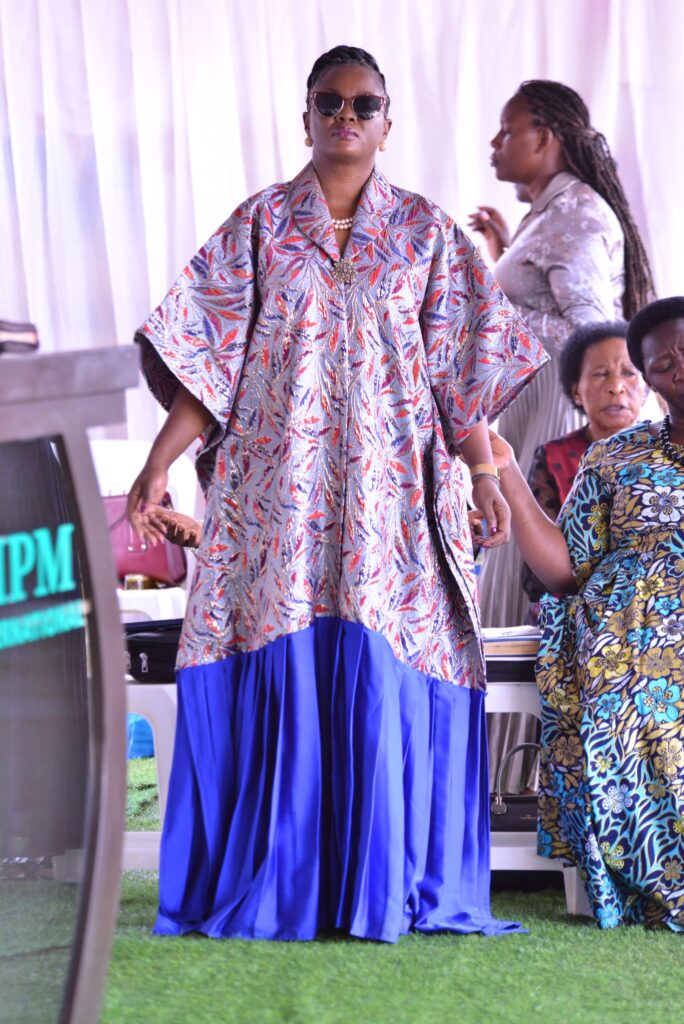
 Uganda’s Susan Makula has pushed back against criticism of her recent comments urging women to think carefully before committing to men who still rent, saying her words were widely misunderstood.
Speaking at the Beauty Beyond The Scars event, Makula advised women to be deliberate about the relationships they enter. The remarks quickly drew backlash online, with many arguing that renting a house should never disqualify someone from marriage. 
In her response, Makula made clear she stands by the core of her message but rejected the idea that she was attacking men who rent.
“I don’t care,” she said of the criticism. She stressed that her intention was never to suggest it is wrong to marry someone who does not yet own a home.
“Those who want to understand and will also have girl children, I also started in a rental and now have tenants, with friends who still rent as well. It is absolutely okay to marry someone when you are still renting and work hard and leave it.”
What concerned her more, she explained, was a pattern she has observed: men who get women pregnant and then leave them without proper support or a stable home.
“What’s not right is to bring someone’s daughter and leave them there. Men making women pregnant and leaving them has been normalised, and it’s wrong.”
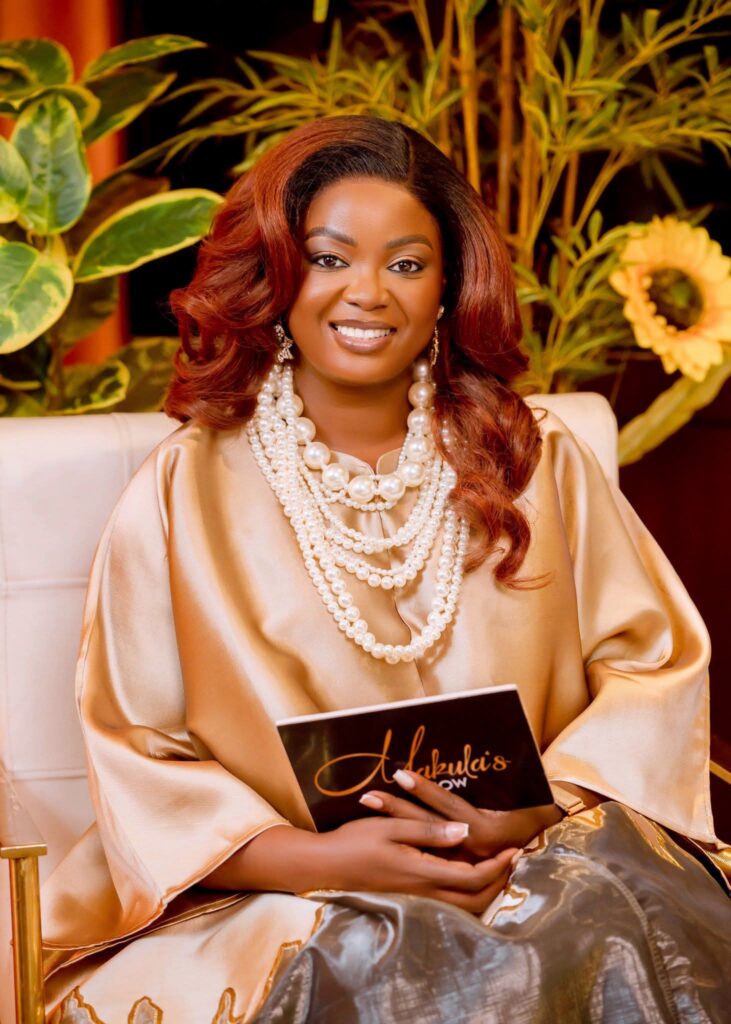
Makula clarified that her warning was specifically aimed at women who receive keys to a man’s rented house and treat that as automatic proof of a secure future. Access to a rented home, she argued, should not be seen as a conclusive sign of long-term stability. She encouraged women to look at whether a man has built something of his own.
She also used the platform to push financial independence.
“I also advised girls to work and even gave Shs 500,000 on that day. One woman received Shs 200,000 and another Shs 300,000, but many can’t even work because they are getting pregnant for men who don’t even have a home.
Takeaways
Makula’s clarification draws a clear line: renting itself is not the problem. The issue, in her view, is instability, lack of responsibility, and the normalisation of leaving women and children without a proper foundation. Her broader call remains practical — women should protect their futures by building their own financial independence rather than relying solely on the appearance of a shared home.