

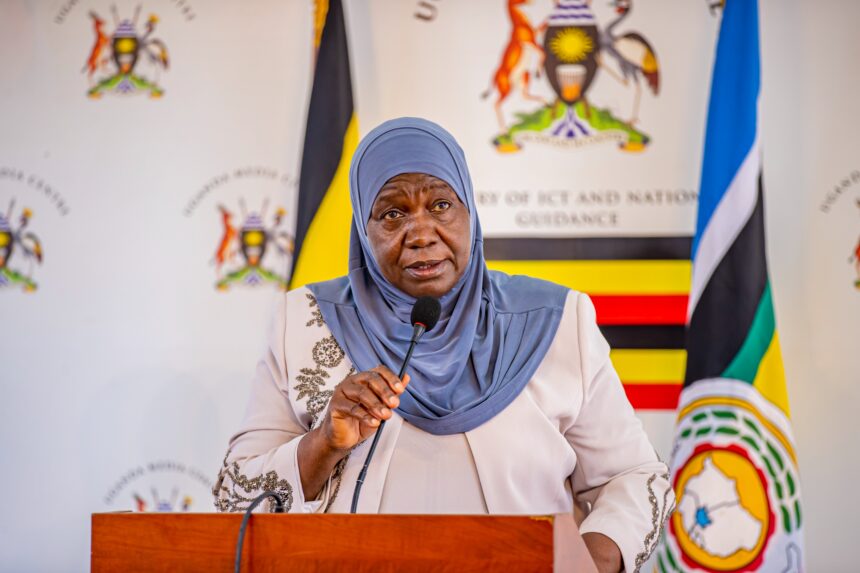
Kampala, Uganda – The ongoing election petition challenging Kampala Central MP and Minister for Kampala Minsa Kabanda Nabbengo’s victory has taken another interesting turn following questions surrounding her academic qualifications.
During the cross-examination proceedings in the case filed by National Unity Platform (NUP) Secretary General David Lewis Rubongoya, Kabanda reportedly told court that she did not sit for the Uganda Advanced Certificate of Education (UACE) examinations.
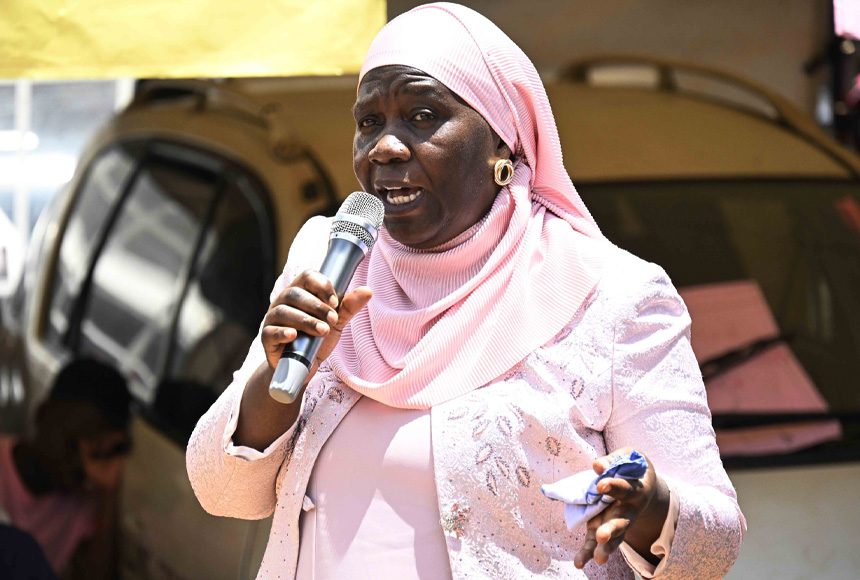
The reported admission has attracted attention because her academic qualifications are among the issues being contested in the election petition, which seeks to overturn her victory in the January 15, 2026 parliamentary elections.
THE ACADEMIC QUALIFICATION CONTROVERSY
Rubongoya’s petition challenges Kabanda’s eligibility, particularly whether she had satisfied the constitutional and legal academic requirements for election to Parliament.
According to details contained in the petition, Kabanda obtained a Certificate of Completion of Formal Education of Advanced Level Standard or its equivalent on October 7, 2025, approximately 15 days before the parliamentary nomination exercise held on October 22, 2025.

Rubongoya questions whether the certificate sufficiently established her eligibility at the time of nomination.
The dispute is particularly significant because Uganda’s parliamentary eligibility requirements provide for an Advanced Level standard of education or its equivalent.
Importantly, not sitting for conventional UACE examinations does not automatically establish that someone is academically unqualified. The central legal question is whether the alternative qualification presented satisfies the requirements recognised under Ugandan law.
COURT HAD EARLIER ALLOWED THE QUALIFICATION QUESTION TO PROCEED
In an earlier ruling delivered on October 7, 2026, High Court Judge Justice Flavia Nabakooza Kalungi declined to strike out Rubongoya’s complaints concerning Kabanda’s academic qualifications, nomination and discrepancies in her names.
The judge observed that the certified documents relied upon by Rubongoya were obtained from the Electoral Commission on February 26, 2026, more than a month after the election.
Consequently, the court found that the petitioner could not practically have raised those particular complaints before the election.
The ruling allowed the academic qualification question to remain part of the substantive petition.
However, the court struck out 97 additional affidavits filed by Rubongoya without the required permission and also dismissed his complaint concerning polling stations allegedly located in restricted security areas.
WHAT IS AT STAKE?
The case, filed on March 30, 2026, challenges Kabanda’s victory in Kampala Central following the January elections.
The Electoral Commission declared Kabanda the winner with 22,280 votes against Rubongoya’s 18,211, giving her a majority of 4,069 votes.
Rubongoya is challenging the outcome on several grounds, including alleged electoral irregularities, discrepancies in declaration of results forms, multiple voting, ballot stuffing, voter intimidation and questions surrounding Kabanda’s nomination and academic qualifications.
He is asking the court to nullify Kabanda’s election, declare him the duly elected MP or alternatively order a fresh election.
The case is before the High Court in Kampala, presided over by Justice Flavia Nabakooza Kalungi.
As proceedings continue, the question surrounding Kabanda’s academic credentials could become one of the defining issues in determining the legality of her election.
For now, the reported courtroom admission should be distinguished from a judicial finding. It is ultimately for the court to determine whether the qualification presented by Kabanda meets the legal threshold for parliamentary eligibility.