


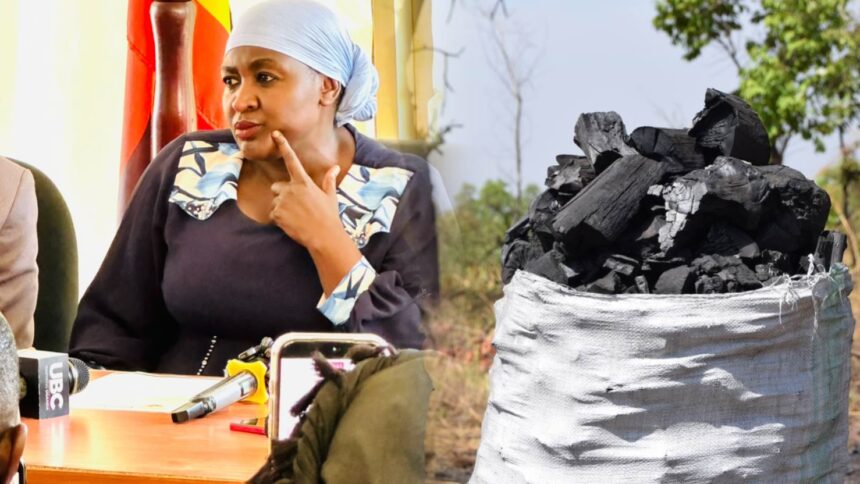
KAMPALA, UGANDA — Senior Presidential Advisor on Political Affairs and Office of the National Chairman (ONC) Manager Hajjat Hadijah Namyalo Uzeiye has urged government to provide low-income households with gas cookers and subsidise refills to make the transition from charcoal to cleaner cooking energy affordable.
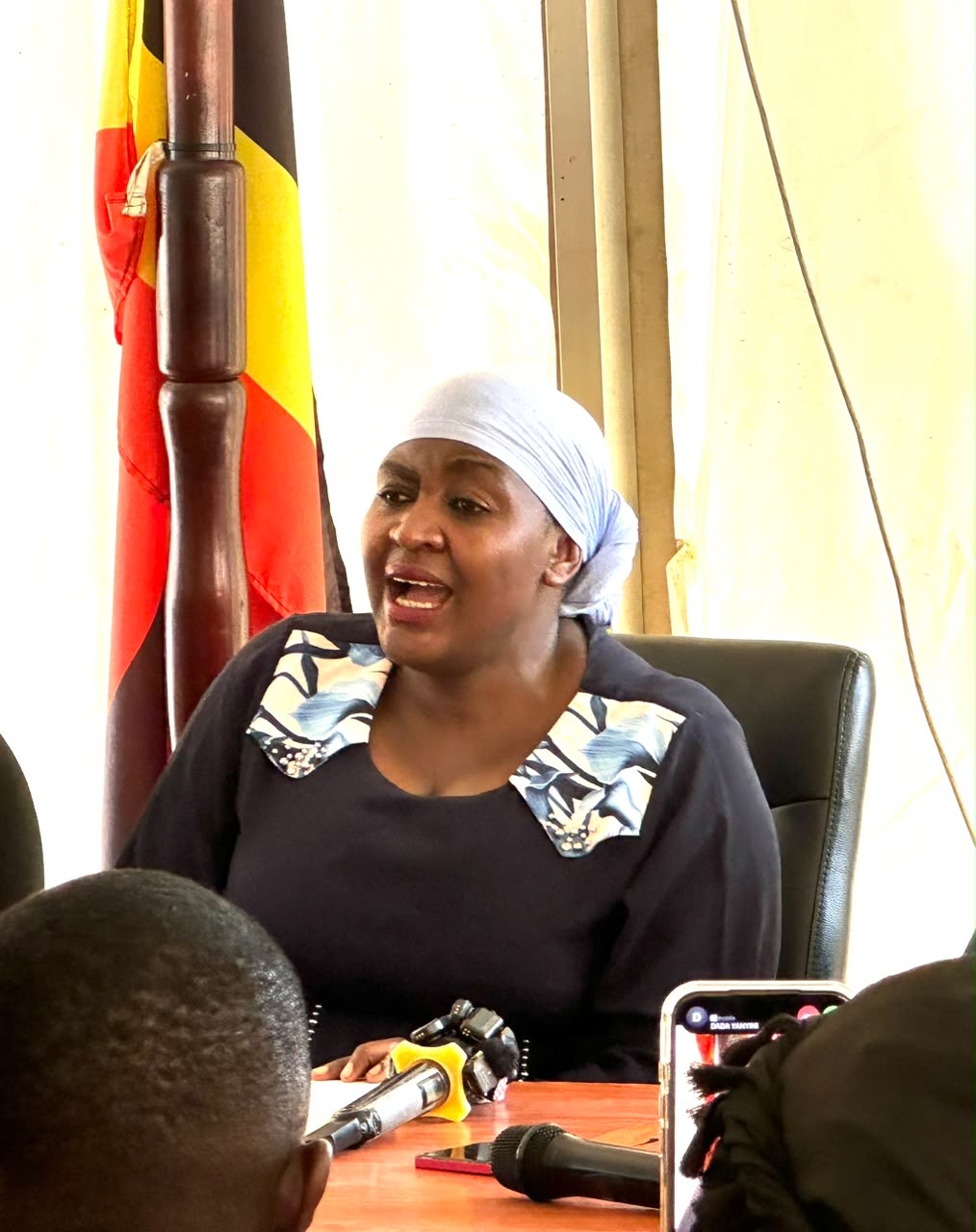
Speaking to the media on Friday, October 16, Namyalo said environmental protection measures must consider the financial challenges facing ordinary Ugandans, warning that restricting charcoal use without providing affordable alternatives could worsen the hardships experienced by vulnerable families.
“We are not rich people. Some of us can’t afford a meal,” Namyalo said, questioning how struggling households would cope with restrictions on charcoal without practical alternatives.
Calls for Affordable Clean Cooking Energy
Namyalo proposed distributing gas cookers to low-income households, supporting monthly refills and educating the public on the safe use of gas.
She said some Ugandans remain reluctant to embrace gas because of fears of accidents and limited knowledge of safe handling.
“You can’t say you are eliminating charcoal when the Ugandan alternative, gas, is not available to us. You have not trained us how to use the gas,” she said.
She also encouraged government to promote other affordable cooking options, including briquettes and improved cookstoves, while ensuring that environmental policies do not place an additional financial burden on struggling families.
Namyalo Advocates for Tree Planting
Beyond the charcoal debate, Namyalo called for greater investment in afforestation and reafforestation, arguing that tree planting should be a central part of efforts to protect Uganda’s environment.
She specifically highlighted West Nile, urging government to support communities in planting more trees and developing sustainable alternatives.
Namyalo also raised concerns about alleged tree cutting, forest destruction, wetland encroachment and pressure on water resources. She cited Mabira Forest and areas around Lake Victoria while calling for stronger environmental oversight and accountability.
Citizens’ Welfare Should Come First
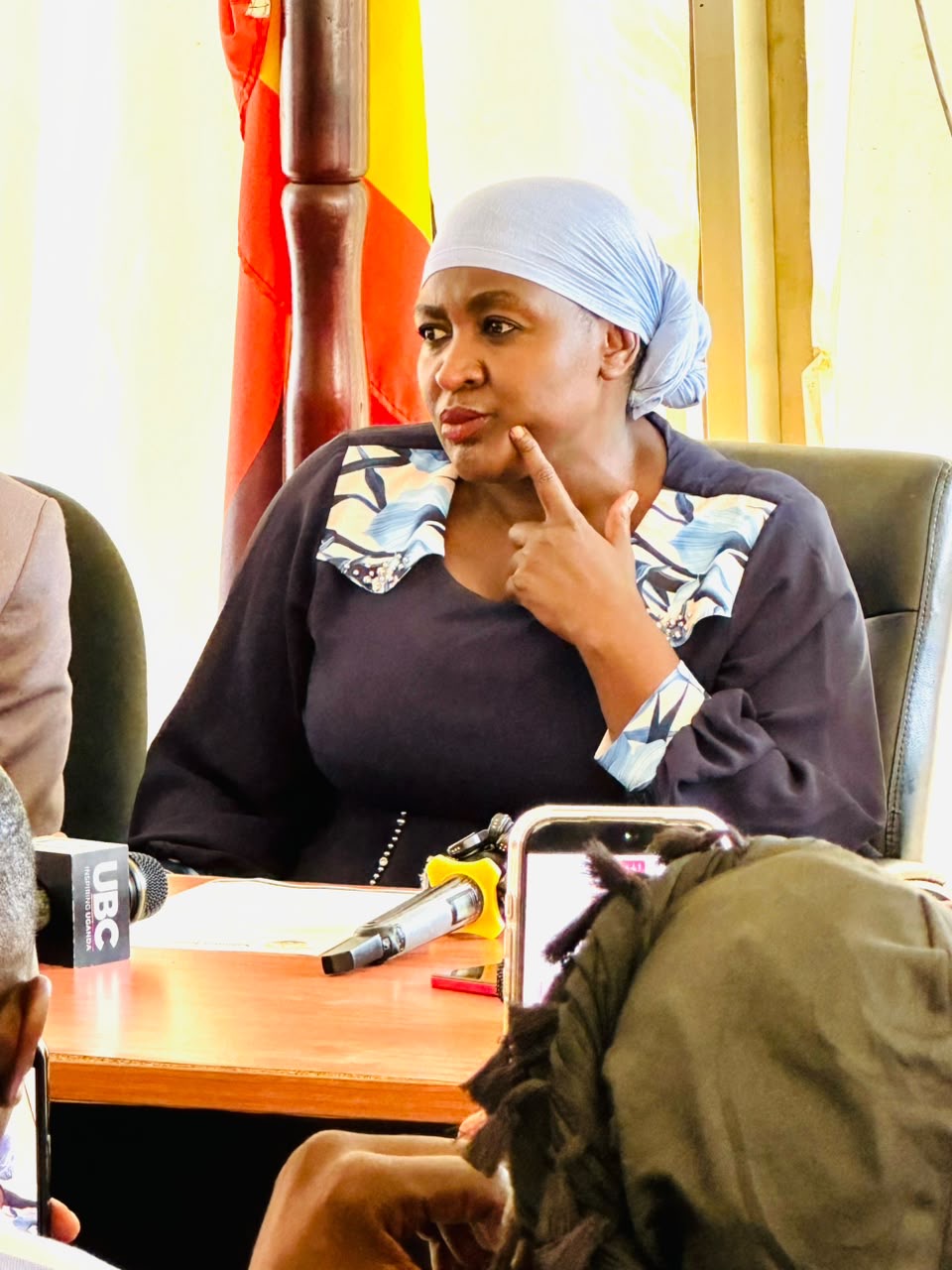
Namyalo further questioned whether households struggling to afford food could realistically be expected to adopt gas or electric cooking, given the costs involved.
“For someone who can’t afford a meal a day, do I really need gas to prepare salt, onions and tomatoes?” she asked.
She argued that although modernisation and cleaner energy are important, government should introduce practical support measures, public education and consultations before implementing policies that affect people’s livelihoods.
“Constructive criticism is not disloyalty. Accountability is patriotism, and the people must remain at the centre of every public policy,” she said.
Namyalo’s remarks add to the debate over how Uganda can protect its forests and encourage cleaner cooking while ensuring that low-income households retain access to affordable energy.
She called for environmental protection and citizens’ welfare to advance together, with government providing the necessary education, infrastructure and financial support to make cleaner cooking accessible.