


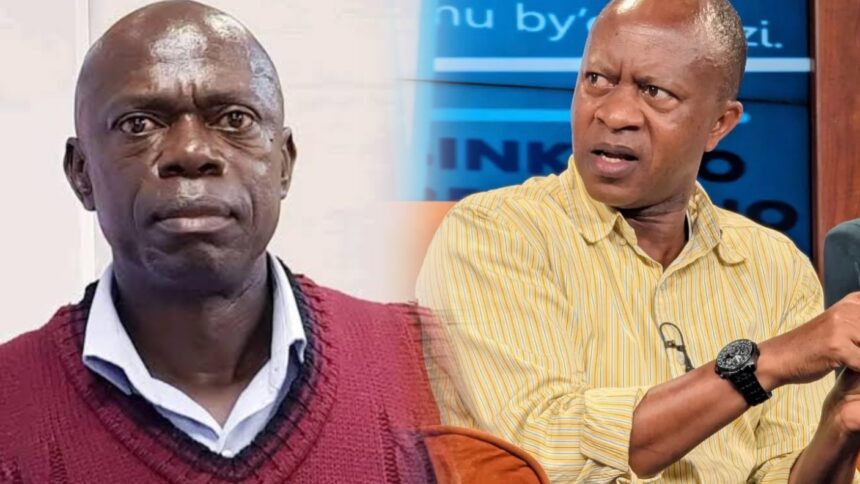
Bassajja Mivule has challenged outspoken social commentator Frank M. Gashumba to address his past legal troubles, questioning his moral authority to publicly attack pastors and label them fake while questions surrounding his previous fraud-related cases remain part of his public record.
The controversy surrounding Uganda’s religious community has taken another twist after blogger Bassajja Mivule turned his attention to Frank M. Gashumba, challenging him to first clear the air about his past before positioning himself as a moral authority in the ongoing debate about alleged misconduct among religious leaders.
Mivule’s remarks come amid growing public debate sparked by Gashumba’s criticism of some Born-Again and evangelical pastors, whom he has reportedly described as quacks and accused of misleading their followers through questionable religious practices and alleged exploitation.
Gashumba’s comments have attracted mixed reactions, with some members of the public supporting his call for accountability within religious institutions, while others have questioned his approach and demanded consistency in the standards he applies to public figures.
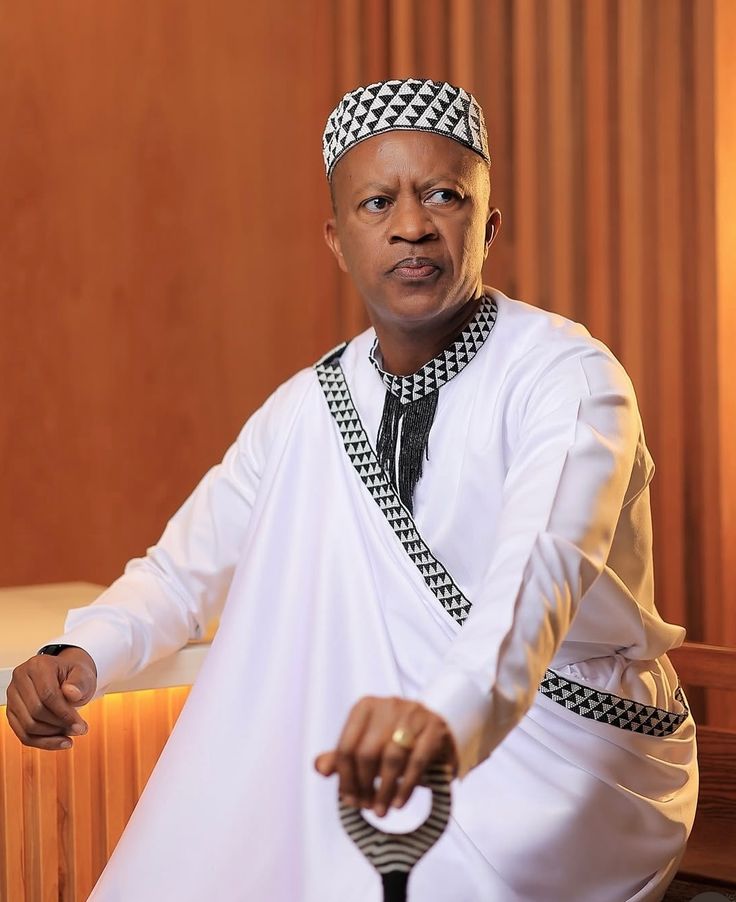
Mivule Questions Gashumba’s Moral Authority
In his challenge, Mivule argues that Gashumba should not be quick to accuse pastors of being fake or morally questionable without first addressing the allegations and controversies that previously placed him under public scrutiny.

He reportedly wants Gashumba to explain the circumstances surrounding allegations of fraud, impersonation, possession of multiple passports and stamps bearing the names of different government institutions, including the Uganda People’s Defence Forces (UPDF) and banking institutions.
Mivule’s central argument appears to be that individuals who demand accountability from others should equally be willing to subject themselves to public scrutiny.
The blogger’s challenge has consequently introduced another dimension to the debate, shifting attention from the conduct of religious leaders to the personal history and public accountability of those criticising them.
Revisiting Gashumba’s 2017 Arrest and Fraud Case
Gashumba’s past legal troubles date back to October 2017, when he was arrested by security operatives following allegations of impersonation, forgery and attempting to obtain money from foreign investors through a purported government contract.
According to reports published by the Daily Monitor and Uganda Radio Network at the time, the Chieftaincy of Military Intelligence (CMI) investigated allegations that Gashumba and his associates had presented themselves as officials from the Ministry of Defence and Veteran Affairs to convince two Dutch investors that they could secure contracts for supplying military trucks, troop carriers, heavy machinery and water tanks to the UPDF.
During the investigations, security officials reportedly displayed several items allegedly recovered from premises associated with Gashumba and his associates. These included multiple identification documents, passports bearing different names and more than 20 stamps reportedly belonging to various government institutions.
The stamps reportedly included those bearing the names of the Ministry of Defence and Veteran Affairs, the Ministry of Fisheries and Stanbic Bank, alongside stamps associated with South Sudanese government ministries.
Gashumba and his co-accused were subsequently charged with offences including impersonation, forgery, conspiracy to commit a felony and possession of narcotic substances. They denied the accusations.
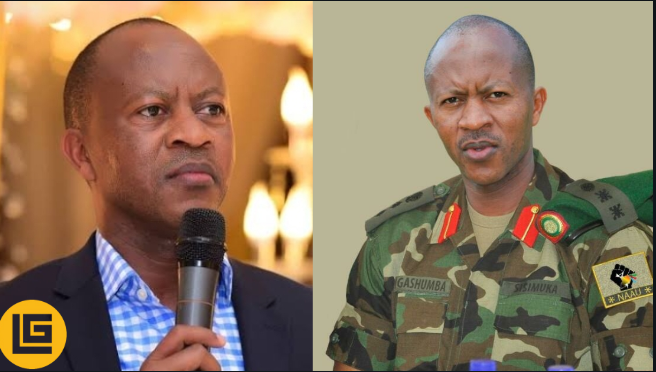
What Happened to the 2017 Case?
Despite the seriousness of the allegations, the case did not proceed to a full trial.
In November 2019, Buganda Road Chief Magistrate’s Court dismissed the charges against Gashumba and his co-accused after the prosecution failed to produce witnesses to testify since the matter was instituted in 2017.
The court discharged the accused persons for want of prosecution, bringing the lengthy proceedings to an end.
This distinction is important: the dismissal was not a conviction on the allegations, and Gashumba was not found guilty of the charges in that case.
The Earlier DFCU Bank Case
Gashumba’s legal history also attracted attention in 2011 when the Daily Monitor reported that he had been convicted of conspiracy to defraud DFCU Bank in February of that year.
The same publication reported his subsequent arrest in October 2011 over separate allegations involving a purported deal to supply fire tenders to the Ugandan government through a Turkish company.
The fire-tender impersonation charges were later dismissed by the Anti-Corruption Court in March 2013 after the prosecution failed to bring witnesses and had not progressed with the case for approximately two years.
These are separate legal proceedings and should not be confused with the 2017 case.
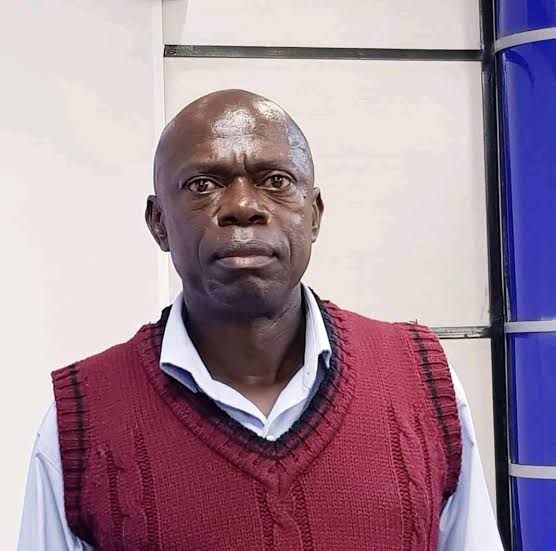
Accountability Should Apply to Everyone
The latest exchange raises broader questions about public accountability, credibility and the responsibility of influential personalities when commenting on matters affecting society.
While concerns about fraudulent religious practices, financial exploitation and misleading congregations deserve serious attention, critics argue that the same standards of transparency should apply to everyone, regardless of their public standing.
For Mivule, Gashumba should first address the questions surrounding his past before assuming the position of a public judge over religious leaders.
However, the debate also raises an important question: Does a person’s controversial past automatically disqualify them from raising legitimate concerns about wrongdoing in society?
Ultimately, the allegations against pastors should be investigated on their own merits, just as historical allegations against Gashumba must be discussed within the context of their actual legal outcomes.
As the exchange continues to generate public interest, attention will be on whether Gashumba responds to Mivule’s challenge and provides further clarification on the issues raised.
The bigger question remains: Should those demanding accountability from others be equally prepared to account for their own past?