Uganda could be heading towards a significant political shift as fresh efforts emerge to bridge the longstanding divisions between the ruling National Resistance Movement (NRM) government and opposition political actors, with General Caleb Akandwanaho, popularly known as Gen. Salim Saleh, reportedly spearheading discussions aimed at achieving national reconciliation and a possible power-sharing arrangement.
The initiative, which has attracted growing political attention, seeks to address decades of political disagreements, promote cooperation among competing political groups and establish a common national vision that could prevent future generations from inheriting historical political conflicts.
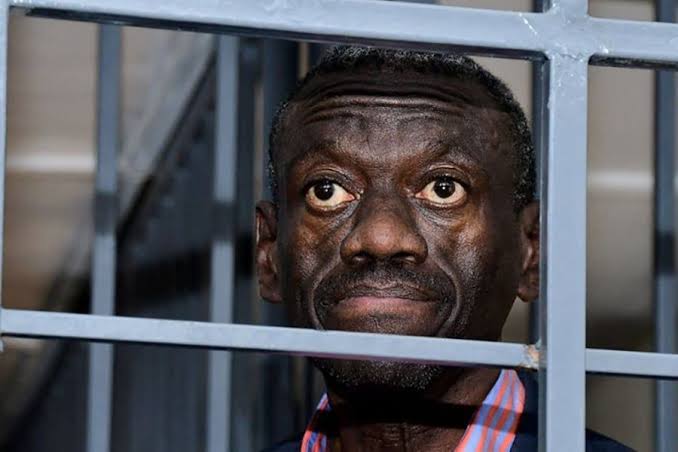
At the centre of the emerging discussions is Gen. Saleh’s renewed engagement with veteran opposition politician Dr. Kizza Besigye, a former National Resistance Movement insider who later became one of President Yoweri Kaguta Museveni’s most prominent political challengers.
Saleh Reconnects With Besigye
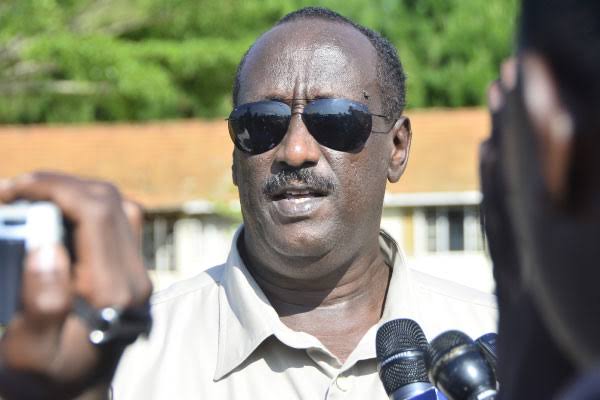
Speaking on October 30, 2026, while addressing NRM parliamentary committee chairpersons, regional whips and legislators at his operational base in Kapeeka, Nakaseke District, Gen. Saleh revealed that he had re-established contact with Dr. Besigye after years of political disagreements.
Saleh explained that his intervention followed a social media post by the Chief of Defence Forces, Gen. Muhoozi Kainerugaba, on August 25, suggesting that Besigye’s situation was his responsibility.
According to Saleh, the engagement provided an opportunity to reconnect with his former colleague, with whom he shared a history dating back to the five-year liberation struggle that brought the NRM to power in 1986.

He disclosed that he found Besigye in critical condition while in detention and subsequently intervened to facilitate his transfer to the Joint Clinical Research Centre (JCRC) in Lubowa for specialised medical attention.
Beyond the medical intervention, Saleh indicated that their renewed contact could open the door to broader discussions about Uganda’s political future.
He declined to officially describe the engagement as peace negotiations but expressed optimism that the discussions could produce a common national outlook within the next three to six months.
“We are carefully examining what needs to be done for you people of the younger generation so that you don’t inherit our generational quarrels,” Saleh said.
Power-Sharing Proposal Gains Momentum
The discussions appear to extend beyond the individual circumstances of Dr. Besigye.
A 137-page working paper reportedly authored by Gen. Saleh alongside Professor Ogenga Otunnu was presented to political leaders during a two-day retreat in Jinja on October 15–16, 2026.
The document proposes a framework based on consociational democracy, a governance model that encourages cooperation and power-sharing among different political, social and institutional groups.
One of the proposals is the establishment of a National Consociational Council, which would bring together government representatives, political parties, religious and cultural institutions, civil society organisations and other stakeholders.
The proposed council would reportedly operate through three structures: an Elite Cooperation Chamber involving government and political parties, a Grassroots and Multi-Stakeholder Chamber representing civil society and cultural and religious institutions, and a Technical and Implementation Secretariat responsible for translating agreed positions into policies and national programmes.
The proposal seeks to establish a structured platform through which competing political interests can participate in national decision-making.
According to reports by the Daily Monitor, the proposed arrangement has already generated debate over the future of multiparty democracy and the extent to which political power should be shared.
Government Signals Support for Dialogue
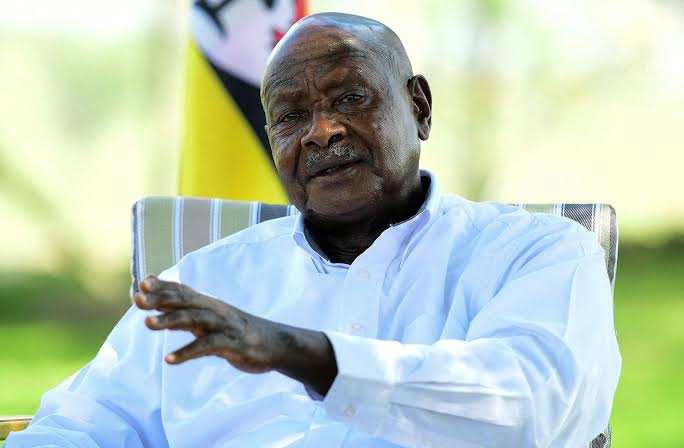
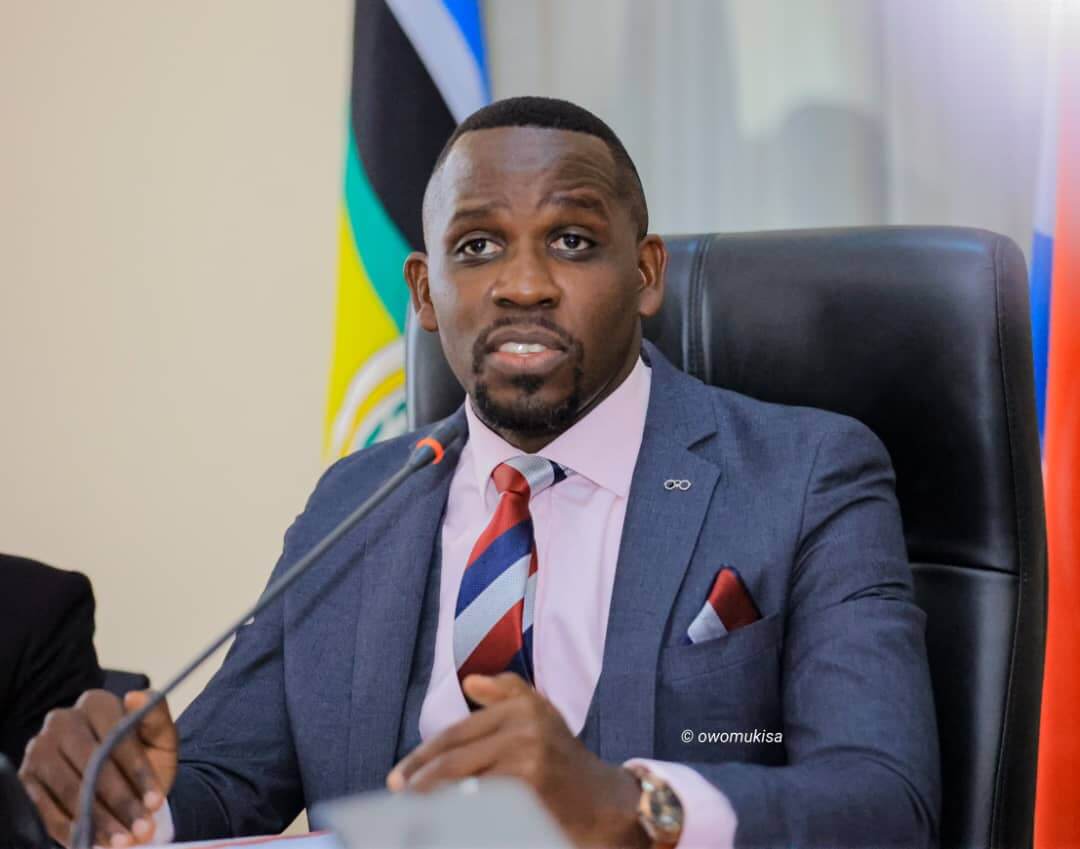
Justice and Constitutional Affairs Minister Norbert Mao has also confirmed that President Museveni instructed relevant officials to engage stakeholders connected to Dr. Besigye and former Kampala Lord Mayor Erias Lukwago.
Mao described the initiative as part of broader efforts to find a political solution while addressing the circumstances surrounding the detained opposition figures.
He indicated that three processes were running simultaneously: judicial proceedings, medical care and political reconciliation.
Information Minister Justine Lumumba also informed Parliament on October 27 that discussions involving Gen. Saleh, Dr. Besigye and his aide Obeid Lutale were ongoing, with proposals to expand the engagement to include additional political actors and established dialogue institutions.
This suggests that the discussions could eventually move beyond individual political grievances into a wider national reconciliation process.
Opposition Raises Questions Over the Proposal
Despite the emerging momentum, the proposed arrangement has not received universal support.
Members of a Democratic Party faction operating under DP at Heart have questioned the proposed power-sharing framework, arguing that any agreement must undergo wider consultation within political parties and receive public scrutiny.
The group has called for a national referendum before implementation, warning that an arrangement negotiated by a few political leaders could undermine the country’s multiparty democratic system.
Meanwhile, the People’s Front for Freedom (PFF) has disputed claims that Dr. Besigye is engaged in formal negotiations with the government.
PFF national chairman Wasswa Birigwa maintained that Besigye’s immediate demands concern his release on bond to access specialised medical treatment while continuing to face the treason proceedings through the courts.
His wife, Winnie Byanyima, has similarly insisted that her husband’s health and constitutional rights should not become subjects of political bargaining.
These concerns highlight the importance of distinguishing between government-led reconciliation efforts and an actual agreement endorsed by the opposition leadership.
What Could This Mean for Uganda?
If successfully negotiated and accepted by the relevant stakeholders, the proposed framework could introduce a different approach to political cooperation in Uganda.
Questions surrounding electoral reforms, representation, institutional independence, political freedoms, human rights and the distribution of responsibilities in government are likely to feature prominently in any meaningful national dialogue.
However, power-sharing requires more than bringing political leaders into the same room. It requires transparency, mutual trust, constitutional safeguards and genuine participation by the political parties and citizens expected to be affected by the eventual decisions.
For now, no comprehensive power-sharing agreement has been officially concluded, and the extent of Dr. Besigye’s participation remains contested.
Nevertheless, Gen. Saleh’s renewed engagement with former political allies, coupled with the proposed National Consociational Council, has placed national reconciliation back at the centre of Uganda’s political conversation.
Whether these discussions will eventually produce a historic political compromise or encounter resistance from competing interests remains to be seen.
For a country that has experienced decades of political disagreements, the coming months could prove important in determining whether dialogue can translate into a broader national consensus.