


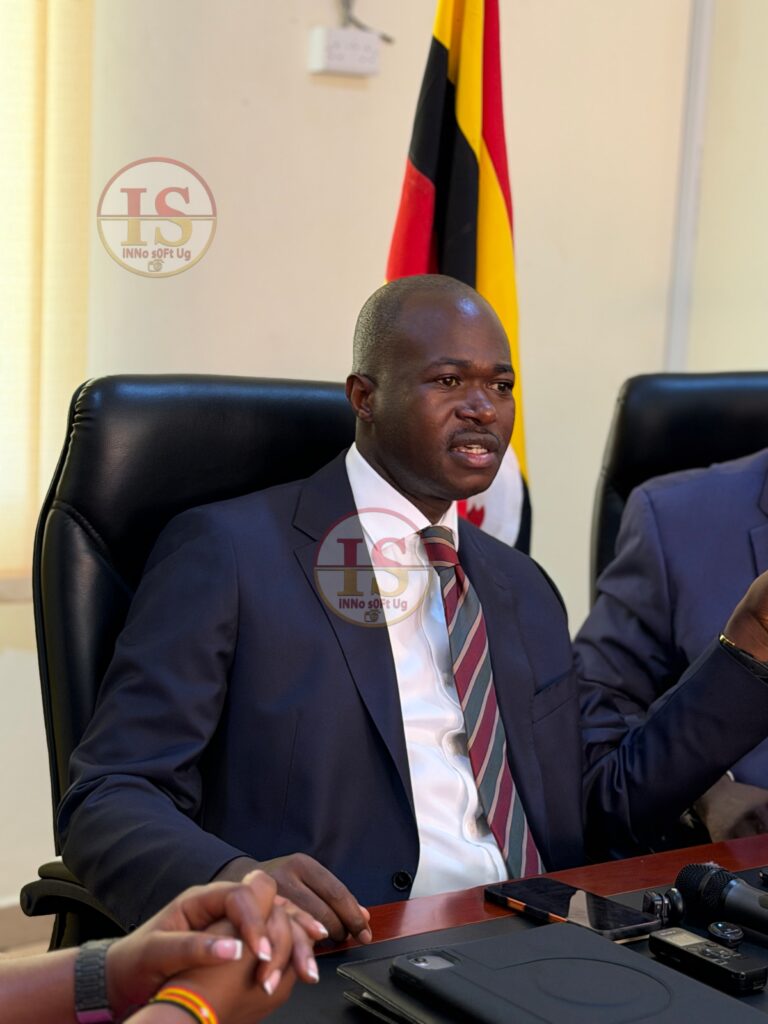
KAMPALA, UGANDA — Questions over the appointment and operations of the Presidential Advisory Committee on Exports and Industrial Development (PACEID) have come into focus after Daudi Kabanda questioned the circumstances under which Mr Rwabogu became chairman of the committee.

Speaking during a press conference, Kabanda said the public deserves clarity on Rwabogu’s official status, particularly the distinction between his appointment as a Presidential Advisor and his role as chairman of PACEID.
According to Kabanda, President Yoweri Museveni appointed Rwabogu as a Presidential Advisor, but did not, in the appointment being referred to, designate him as chairman of PACEID.
“The President appointed him as Presidential Advisor, not as chairman of PACEID,” Kabanda said.
The remarks have raised a key question: Who formally appointed Rwabogu as chairman of PACEID, and under what authority?
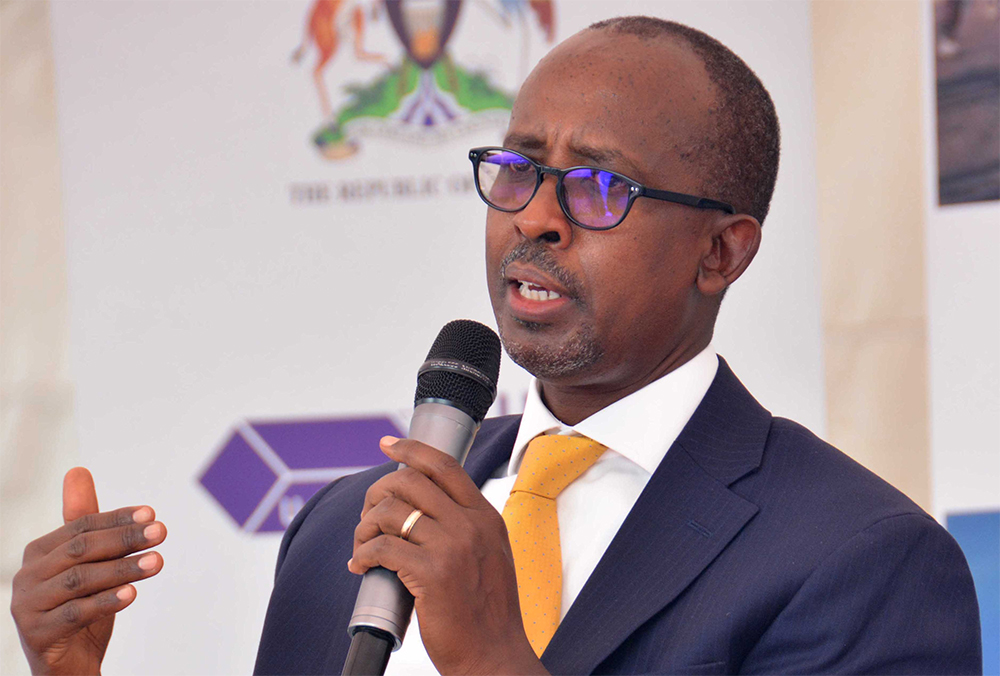
Who Appointed Rwabogu?
Kabanda questioned whether Rwabogu’s appointment as chairman went through the established government procedures for appointing officials to public institutions.
He asked whether the appointment was handled through the Public Service system and whether the required procedures for appointments to government agencies were followed.
The questions are particularly significant because PACEID operates within the government framework, making issues surrounding its leadership, administration and accountability a matter of public interest.
Questions Over PACEID’s Accounting Officer
Kabanda also turned his attention to the committee’s financial administration.
Among the questions he raised was who serves as the accounting officer of PACEID and who appointed that officer.
He further questioned whether the recruitment and appointment of government officials within the institution followed the procedures required by government.
The questions, if formally answered, could provide greater clarity about the chain of authority within PACEID and who is ultimately responsible for managing and accounting for public resources.
Government Funding Under Scrutiny
Kabanda also raised concerns about government funding reportedly received by Rwabogu as an individual.
He argued that the country deserves to know the basis on which the funding was provided, the authority responsible for approving it and how the funds relate to Rwabogu’s official responsibilities.
The remarks place renewed attention on transparency and accountability in the use of public resources, particularly where individuals hold government-appointed positions or work closely with government institutions.
At this stage, the issues raised by Kabanda are questions requiring clarification from the relevant government authorities. They do not, by themselves, establish that any law or procedure was breached.
Takeaway
The debate surrounding Rwabogu’s role at PACEID centres on authority, procedure and accountability.
The key questions raised by Kabanda are straightforward: Who appointed Rwabogu chairman of PACEID? Was the appointment made through the legally prescribed government process? Who is PACEID’s accounting officer, and who appointed that person? And on what basis has government funding been provided to Rwabogu as an individual?
Answers to those questions would help the public understand how PACEID is structured, who exercises authority within the committee and how public resources connected to its operations are managed.