


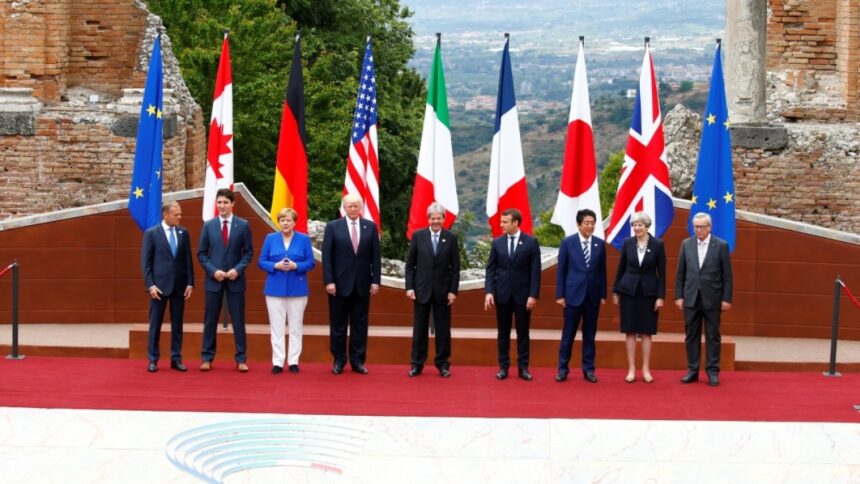
The Group of Seven (G7) has agreed to release up to 100 million barrels of crude oil and petroleum products from emergency reserves in a coordinated effort to ease pressure on global energy markets.
The release will be coordinated through the International Energy Agency (IEA) and will begin immediately, running over a four-month period. A substantial portion of the diesel is expected to be released within the first 20 days.
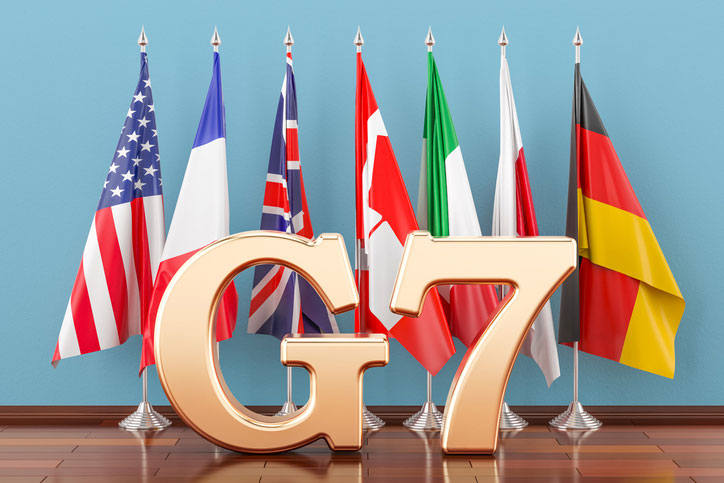
The G7
The decision comes as global fuel markets face significant supply disruptions, with diesel particularly affected by reduced exports, refinery constraints and disruptions to major shipping routes. The IEA has reported that diesel and gasoil exports from key producing regions remained significantly below pre-conflict levels in August.
Beyond releasing reserves, G7 countries said they would coordinate refinery maintenance and encourage countries with major refining capacity to increase production of refined fuels, particularly diesel. They also committed to avoiding energy export restrictions among G7 partners and urged other producers not to introduce measures that could further tighten supplies.
The G7 comprises the United States, Canada, France, Germany, Italy, Japan and the United Kingdom.
HIGHLIGHTS
Up to 100 million barrels will be released through the IEA.
The coordinated release will run for four months.
A significant amount of diesel will be released within the first 20 days.
G7 members will coordinate refinery maintenance and seek to increase refined-fuel production.
The group is urging producers to avoid export restrictions that could worsen market tensions.
TAKEAWAY
The reserve release is intended to increase fuel availability and ease pressure on global energy markets, particularly the strained diesel market. Its impact on pump prices will depend on how quickly the additional supplies reach consumers and how global supply disruptions develop in the coming months.