

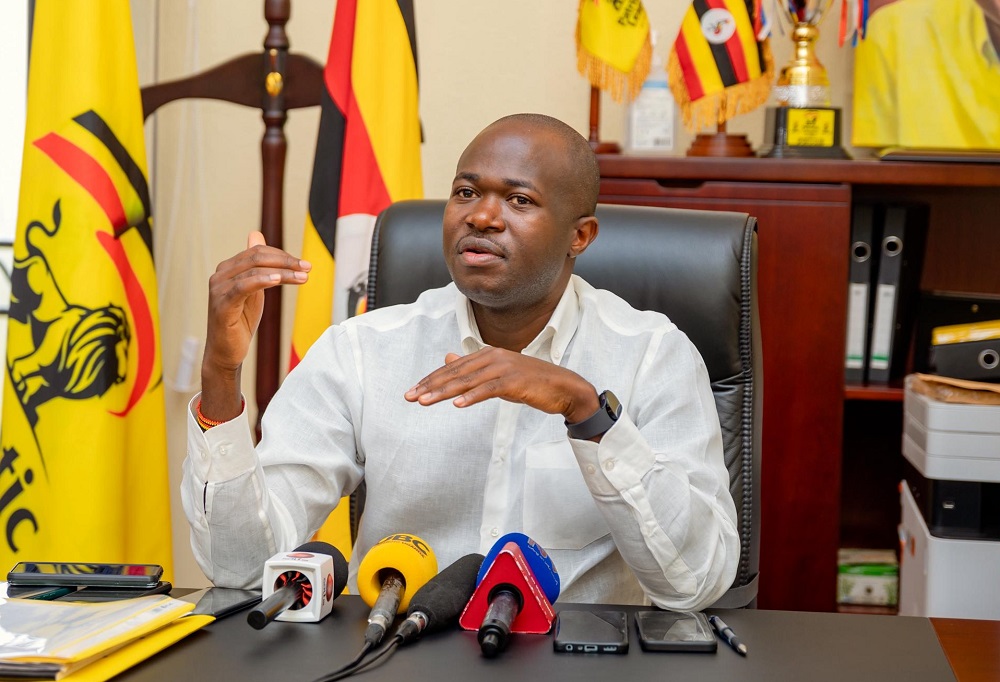
 The Patriotic League of Uganda (PLU) has renewed its push to have Joel Ssenyonyi removed as Leader of the Opposition in Parliament, breathing new life into a campaign aimed at changing how opposition leadership is selected and removed.
PLU official David Kabanda has announced renewed efforts to challenge the current arrangement, reviving a campaign previously championed by Gen Muhoozi Kainerugaba, the organisation’s leading figure.
At the centre of the dispute is a proposed amendment to the Administration of Parliament Act that could fundamentally change the process through which Uganda’s opposition chooses its parliamentary leader.
Ssenyonyi, a senior National Unity Platform (NUP) figure, remains in the position after his party retained him on May 28, 2026. NUP currently commands the largest opposition bloc in Parliament, giving it the mandate under the existing law to nominate the Leader of the Opposition.
Proposed Law Could Change Opposition Leadership
The proposed changes are being spearheaded by Buyaga West MP Denis Namara, with support from Kibanda North MP Linos Ngompek.
On July 8, 2026, Parliament granted Namara permission to introduce the Administration of Parliament (Amendment) Bill, 2026.
Namara has argued that the current system sidelines MPs from smaller opposition parties by giving the largest opposition party the decisive role in selecting the Leader of the Opposition.
Under the proposed amendments, all opposition MPs would participate directly in electing the officeholder. The changes would also introduce additional grounds for removal, expand consultations in appointing opposition parliamentary leaders and require opposition MPs to approve the shadow cabinet.
If enacted in its proposed form, the Bill would require the sitting Leader of the Opposition to leave office within three months, paving the way for a fresh election.
The proposal could therefore put Ssenyonyi’s position at stake if Parliament passes the amendments and the new provisions take effect as outlined.
PLU Throws Its Weight Behind the Bill
PLU endorsed the proposed amendments on July 9, 2026, with Kabanda announcing the organisation’s support on behalf of Gen Kainerugaba.
The renewed campaign signals continued interest in reshaping the opposition’s leadership structure, with the proposed law offering a possible route to challenge the existing system.
Supporters of the Bill argue that allowing every opposition MP to vote would make the Leader of the Opposition more accountable to the wider opposition parliamentary group rather than primarily to the party with the largest number of legislators.
They also contend that the position represents opposition MPs collectively and should therefore not be determined exclusively by one political party.
However, the proposal has triggered questions about whether changing the rules would genuinely broaden democratic participation or weaken the influence of the opposition’s largest party.
Fears of Political Interference Emerge
Critics warn that opening the election to all opposition MPs could create room for political manoeuvring, particularly if legislators aligned with the ruling National Resistance Movement (NRM) influence the outcome.
Such concerns centre on the possibility that the new arrangement could undermine NUP’s influence despite its numerical strength in Parliament.
The debate has exposed a wider political question: should the largest opposition party retain control over choosing its parliamentary leader, or should every opposition legislator have an equal say in the decision?
For supporters of the amendments, the answer lies in wider participation and accountability. For critics, the changes could leave opposition leadership vulnerable to political interests beyond the opposition itself.
Ssenyonyi Remains Leader of Opposition
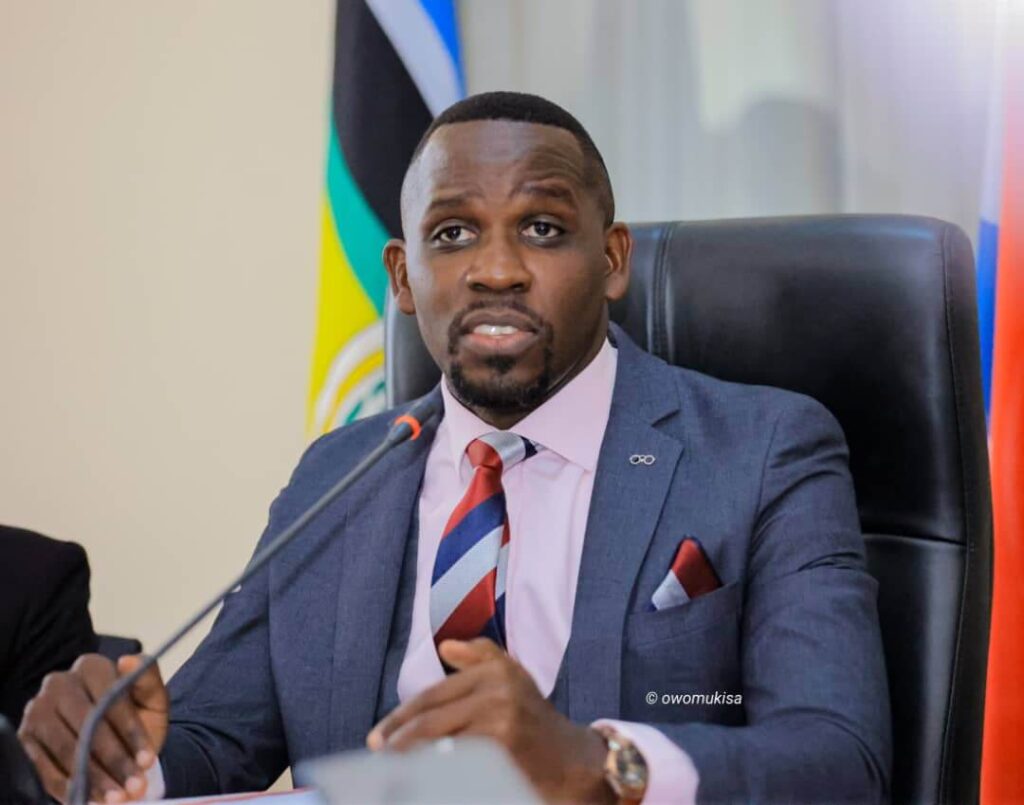 For now, Ssenyonyi remains Leader of the Opposition in Uganda’s 12th Parliament. The proposed amendments must go through the legislative process before they can alter the existing law.
Until then, the current system remains in force, and the renewed PLU campaign has not, by itself, removed Ssenyonyi from office.
The Bill’s fate could have far-reaching implications for NUP’s parliamentary influence and the balance of power within Uganda’s opposition.
Whether the proposal will strengthen participation among opposition MPs or trigger a fresh political contest over control of the office remains to be seen.
Highlights
– PLU renews pressure: David Kabanda has announced fresh efforts to challenge Joel Ssenyonyi’s position as Leader of the Opposition.
– Proposed law at the centre: Denis Namara’s Administration of Parliament (Amendment) Bill, 2026, seeks to change how the opposition leader is elected and removed.
– Wider voting rights proposed: All opposition MPs would participate in electing the Leader of the Opposition under the proposed arrangement.
– Three-month transition: The Bill, as described, would require the sitting officeholder to leave within three months if the relevant provisions take effect.
– Political concerns remain: Critics fear the changes could weaken NUP’s influence and expose the process to political interference.
– Ssenyonyi remains in office: The proposal has not yet changed the existing legal framework.
Takeaway Points
1. No immediate removal: Ssenyonyi remains in office under the current law.
2. Parliament holds the key: The proposed amendments must be passed before the selection process can change.
3. NUP’s influence is at stake: The Bill could reduce the party’s exclusive role in nominating the opposition leader.
4. The debate goes beyond one individual: The proposed changes raise questions about representation, accountability and the independence of Uganda’s parliamentary opposition.
By iNNoSOFt UG | Politics
#iNNoSOFtUGUpdates #UgandaPolitics #JoelSsenyonyi #PLU #Parliament