


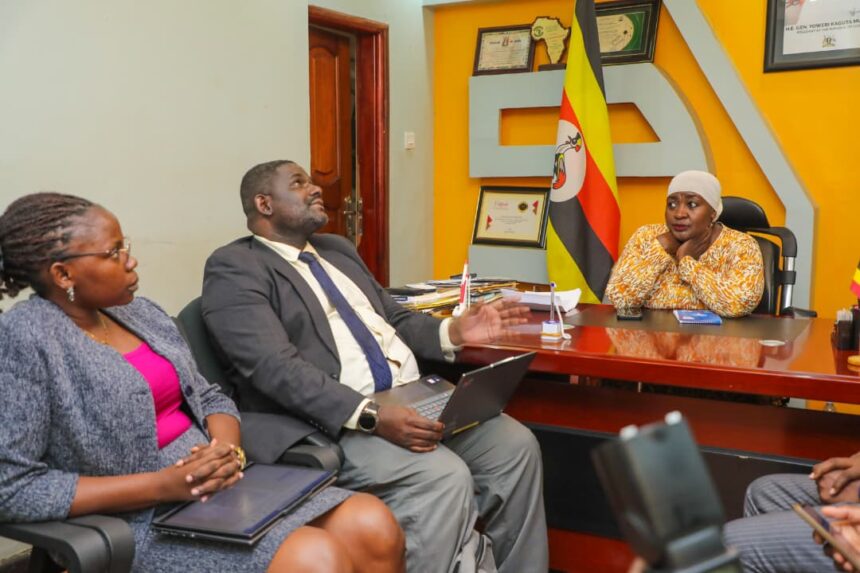
KAMPALA, UGANDA — Officials from the Electricity Regulatory Authority (ERA) have acknowledged persistent electricity supply challenges in Uganda, citing vandalism, overloaded infrastructure and rising demand during a meeting with Senior Presidential Advisor on Political Affairs and Office of the National Chairman (ONC) Manager Hajjat Hadijah Namyalo Uzeiye.
The delegation, comprising ERA Principal Engagement Officer Ibrahim Kasita and Consumer Affairs Department official Costa Nantume, visited Namyalo at the ONC offices in Kyambogo to respond to concerns she had raised over prolonged power outages, delayed connections and the performance of the Uganda Electricity Distribution Company Limited (UEDCL).
ERA Explains Causes of Power Disruptions
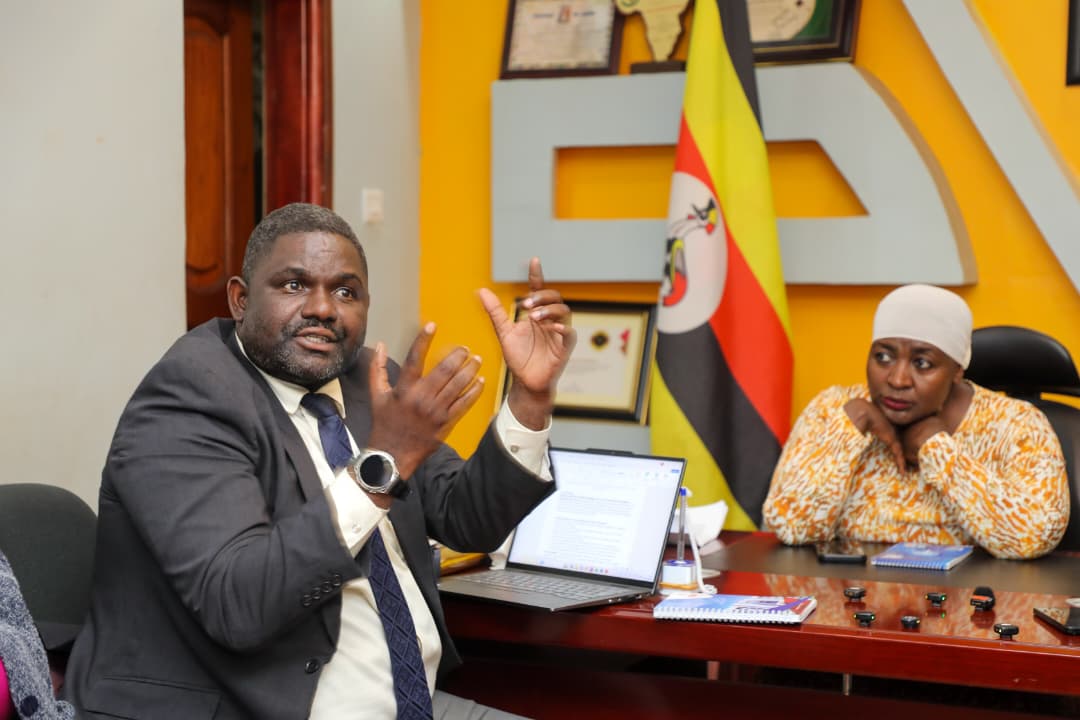
Kasita said electricity distribution continues to face challenges arising from vandalism, network limitations and growing demand.
He explained that Uganda’s electricity challenges were not solely linked to generation capacity but also to limitations in transmission and distribution infrastructure.
According to Kasita, Uganda had an installed electricity generation capacity of approximately 2,098 megawatts by the end of 2025, against a maximum demand of 1,345.3 megawatts.

However, overloaded transformers and substations, ageing equipment and network faults continue to affect reliable electricity delivery to consumers, he said.
Namyalo Demands Accountability and UEDCL Audit
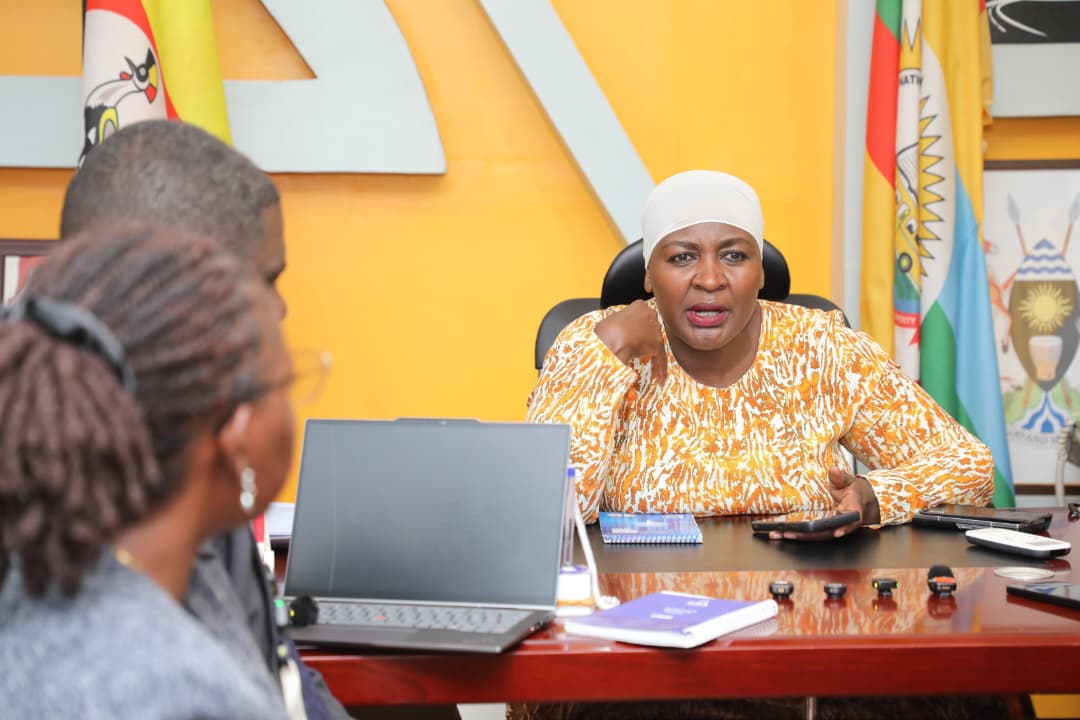
Namyalo welcomed ERA’s visit but called for faster action to address persistent power outages and delays affecting customers who have already paid for electricity connections.
She also urged Parliament to investigate the Shs1.71 trillion reportedly handled by UEDCL, calling for a forensic audit to establish how the funds were utilised.
“We need a forensic audit of the Shs1.71 trillion reportedly handled by UEDCL to establish how the money was utilised. Parliament should also investigate the outstanding connections and establish why customers who have paid are still waiting for electricity,” she said.
Namyalo further questioned whether the responsible institutions had enough personnel and resources to address the challenges, urging greater accountability across the electricity sector.
UEDCL Targets December 2026 to Clear Connection Backlog
Responding to concerns over delayed connections, Kasita said UEDCL was working to clear the existing backlog by the end of December 2026.
He reported that the company had connected approximately 159,000 customers year-to-date, adding that shortages of electricity meters and other connection materials had contributed to delays.
Additional supplies and faster procurement are expected to support efforts to complete outstanding connections.
Kasita also outlined network improvement projects intended to reduce outages and strengthen distribution infrastructure.
These include the replacement of 1,110 distribution transformers in the year to July 2026, increasing the capacity of Kawanda Substation from 40 MVA to 80 MVA, developing a new Matugga Substation and addressing faults affecting Entebbe, Namasuba and Kisubi.
Six-Month Timeline for Improvements
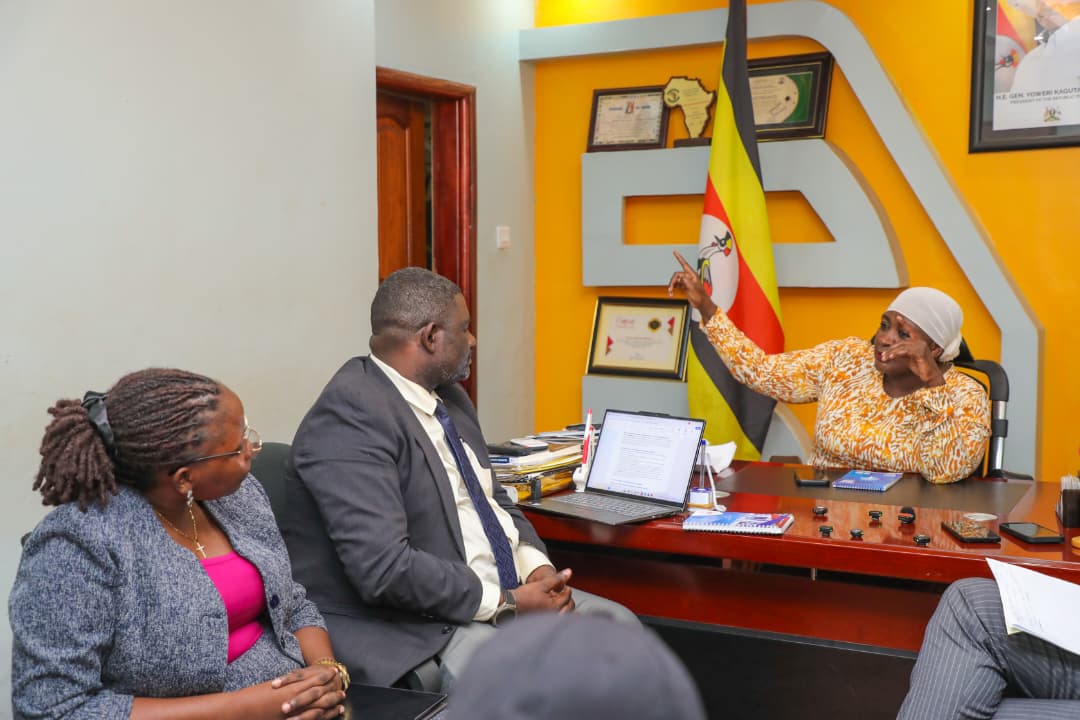
Kasita assured Namyalo that Ugandans should begin to see improvements in electricity supply within six months as the responsible agencies implement measures to address outages and connection delays.
Namyalo urged ERA, UEDCL, Uganda Electricity Transmission Company Limited (UETCL), the Ministry of Energy and Mineral Development and other relevant agencies to coordinate their efforts and ensure that the planned interventions deliver tangible results.
She said unreliable electricity continues to affect rural communities and small businesses, including welders, salon operators and maize millers whose livelihoods depend on a stable power supply.
Namyalo called for the agencies to honour their commitments, emphasising that public investments should translate into improved services for households and businesses.
The meeting comes amid continuing public concerns about electricity reliability and access following UEDCL’s takeover of distribution operations from Umeme in April 2025.