

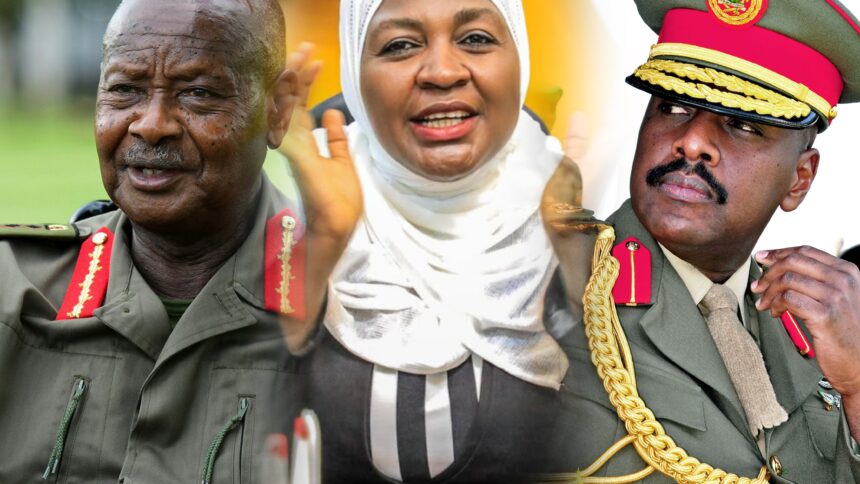
Will the “Muzee Tova Ku Main” campaign withstand the growing influence of the Patriotic League of Uganda (PLU), or will it gradually be overshadowed as Uganda’s ruling establishment navigates a possible political transition?
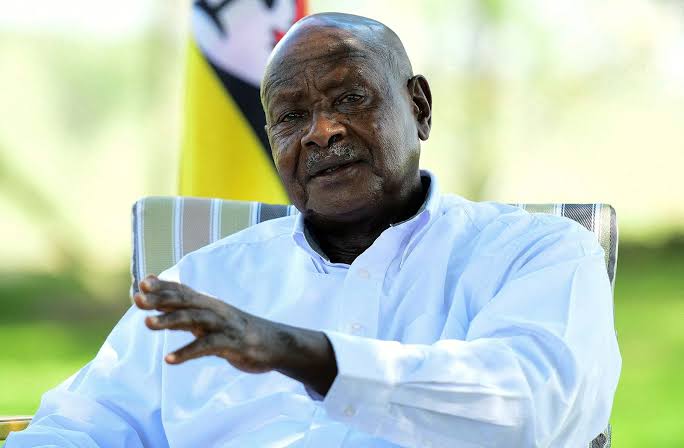
This question is increasingly becoming part of Uganda’s political debate as competing loyalties emerge within the ruling establishment, placing President Yoweri Kaguta Museveni’s long-standing leadership and the growing political influence of his son, Gen. Muhoozi Kainerugaba, under public scrutiny.
The emerging dynamic presents an unusual political situation in which the rivalry appears to be developing not primarily between the government and the opposition, but between two political formations whose supporters are drawn largely from the same ruling establishment: the National Resistance Movement (NRM) and PLU.
Two Political Camps, One Ruling Establishment
The NRM has dominated Uganda’s political landscape since Museveni came to power in 1986. Over the years, the President has built a broad political network comprising ministers, legislators, party officials and other influential figures.
However, the emergence and expansion of PLU have introduced another layer to this political structure.
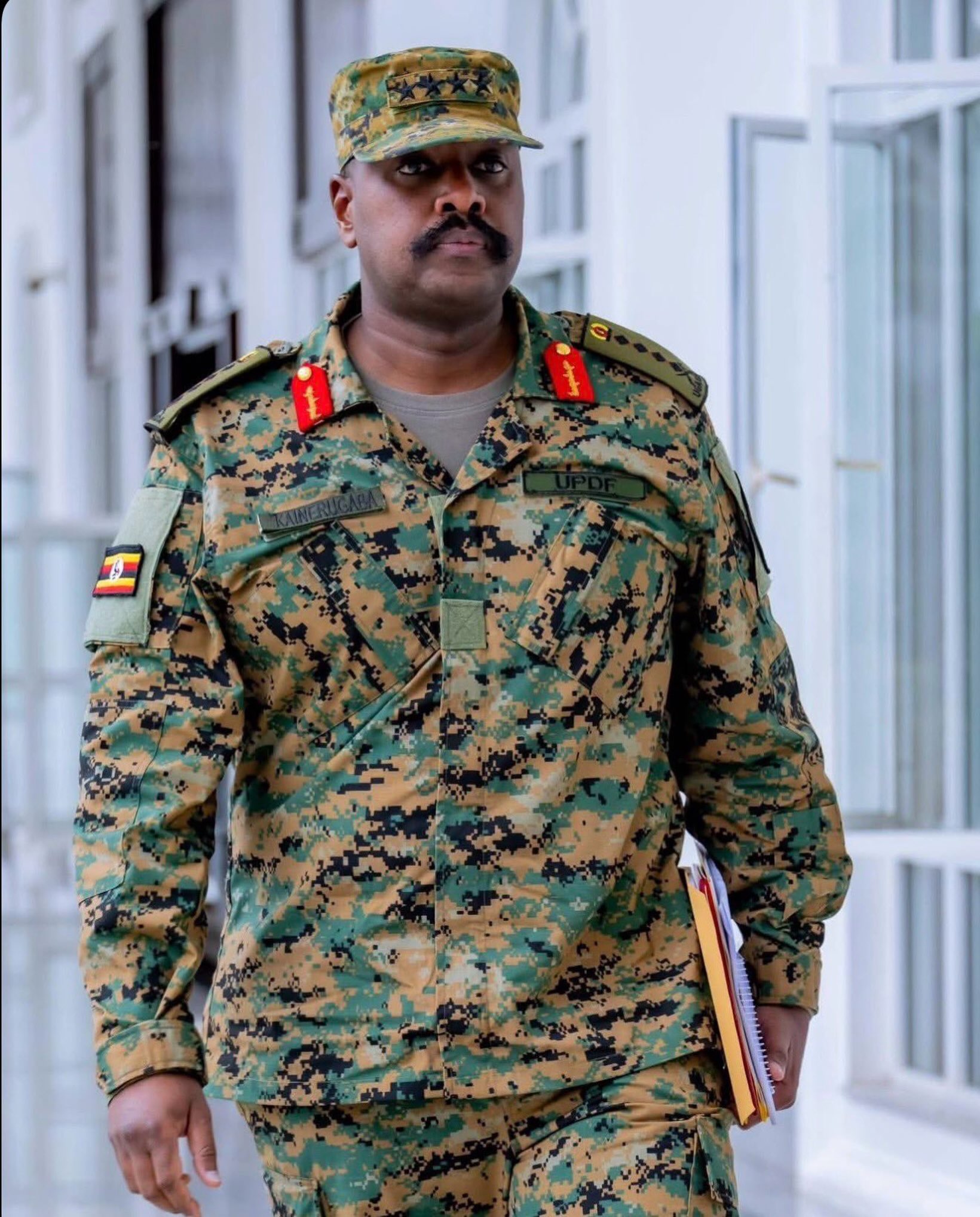
Led by Gen. Muhoozi, PLU has attracted support from individuals within the existing establishment, including politicians who also maintain links to the NRM. This overlap has raised questions about whether PLU is simply strengthening the ruling establishment or gradually developing into a separate centre of political influence.
For some supporters, aligning with PLU represents an opportunity to associate with a growing political movement. Others continue to identify primarily with the NRM and Museveni’s leadership.
Can ‘Muzee Tova Ku Main’ Maintain Its Momentum?
The “Muzee Tova Ku Main” campaign reflects the determination of Museveni’s supporters to keep him at the centre of Uganda’s political leadership.
Its success, however, may depend on more than slogans and public declarations of loyalty. The campaign’s ability to maintain political relevance could be influenced by the organisational strength of its supporters, their mobilisation capacity and the President’s own political decisions.
A key question is whether those backing Museveni independently of PLU can maintain a distinct political identity without becoming absorbed into the broader network surrounding Muhoozi.
If the campaign retains a strong organisational base, it could continue to represent a significant constituency within the ruling establishment. If its supporters increasingly gravitate towards PLU, however, its influence could gradually diminish.
Neither outcome is inevitable.
Will PLU Overpower the NRM’s Traditional Structures?
PLU’s growing visibility has fuelled speculation about its long-term ambitions and its relationship with the NRM.
The central question is whether the movement intends to operate alongside the ruling party, influence its internal direction or eventually become a more dominant vehicle for political mobilisation.
A peaceful political transition could potentially involve negotiations, cooperation between political camps and an agreed framework for leadership succession. Such a process would require clarity about the respective roles of the NRM, PLU and the country’s constitutional institutions.
However, the growth of a political pressure group does not automatically translate into control of the ruling party or the state. The NRM retains its established structures, while PLU’s long-term position will depend on its organisational development and relationship with the existing political system.

Is a Peaceful Transition Possible?
The relationship between Museveni and Muhoozi adds a personal dimension to an already complex political question.
As father and son, their association has attracted considerable attention, particularly amid public discussions about Uganda’s future leadership. Yet family ties alone cannot determine how political succession will unfold.
A peaceful transition would depend on political decisions, institutional processes and respect for Uganda’s constitutional framework. It would also require competing interests to be managed without turning internal disagreements into a broader political crisis.
For Uganda, the stakes extend beyond the fortunes of either political formation. The manner in which leadership questions are addressed could have implications for political stability, party cohesion and public confidence in the country’s institutions.
The Bigger Question: Survival or Political Realignment?
Ultimately, will “Muzee Tova Ku Main” remain a powerful expression of support for Museveni, or will PLU gradually overshadow it as political loyalties shift?
The answer may depend on whether Museveni’s supporters can maintain a coordinated political base and whether PLU can expand its influence without creating an irreconcilable divide within the ruling establishment.
For now, the relationship between the two camps remains an important subject of political debate rather than a settled contest with a predetermined outcome.
As Uganda looks towards the future, the central question is whether the NRM and PLU can coexist within the same political establishment, or whether the struggle for influence will eventually produce a major realignment.
Will “Muzee Tova Ku Main” stand its ground, or will PLU gradually become the dominant force in shaping the next chapter of Uganda’s politics?